Merge Games Explained: How They Work and How to Play Well
In this guide
- The core loop: match, combine, upgrade
- Quantity versus quality
- Space is the real resource
- Merge defense: building an army by combining it
- Number merges: 2048 with a twist
- Physics merges: let gravity do part of the work
- Habits that help in almost any merge game
- Which merge game to start with
- Frequently asked questions
Take two of something, combine them, and get one of something better. That is the whole idea behind merge games, and it turns up in more places than you might expect: tiles with numbers, pieces of fruit, garden plants, squads of heroes.
The rule is easy to learn in ten seconds, which is why the genre is so popular in a browser. The interesting part comes afterwards, when you realize that every merge costs you something and that the board is never as big as you would like. This guide explains how merge games work, what separates a good player from a casual one, and where to try each style on IviGames.
The core loop: match, combine, upgrade
Every merge game gives you items that come in levels. Two items of the same level combine into a single item of the next level up. A small thing becomes a bigger thing, and the bigger thing can be merged again with its own kind.
That creates a ladder. The bottom rung is cheap and plentiful, and the top rung is rare and powerful. Almost every decision in a merge game is about how to climb that ladder without running out of room.
Quantity versus quality
The central trade-off is simple. Two weak items take up two spaces. One strong item takes up one space and usually does more. So merging frees room and adds power at the same time, which sounds like a free win.
The catch is that you can only merge identical items. If you have three of one kind and one of another, the odd one out sits there until a partner turns up. Good players think about which items they will need next, and avoid collecting a scattered mix that never pairs off.
In the games that use merging for combat, there is a second tension. You can hold back and keep merging until you have something strong, or you can deploy what you have right now. In most games of this type, an early merge pays off for the entire fight, while a late panic merge arrives after the damage is done.
Space is the real resource
In nearly every merge game, the thing that actually runs out is room. A grid fills up, a container overflows or a battlefield has only so many slots. Running out of space is how you lose.
That changes how you should think about each move. Ask not only whether a move creates a merge, but also what it leaves behind. A move that makes one merge and leaves two awkward leftovers can be worse than a move that makes no merge at all but keeps the board tidy.
Merge defense: building an army by combining it
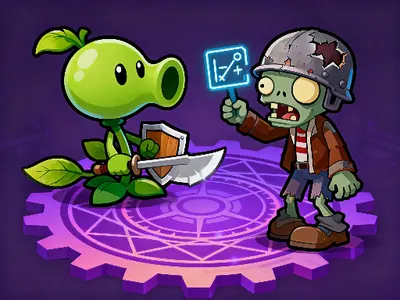
Merge defense mixes the merge ladder with tower defense. Enemies arrive in waves, and your defenders are the items you merge. In Plant Merge: Zombie War, the defenders are plants in a garden. Merging two matching plants gives you a stronger one, and the game also has upgrades and special abilities to master.
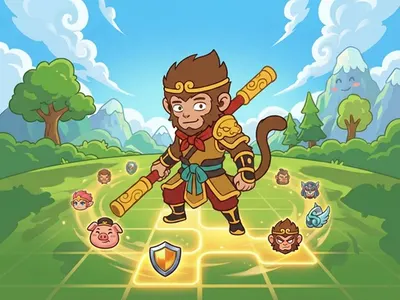
Dark Myth: Monkey Merge uses the same idea with warriors. Ranks climb from Common to Legendary, and there is a long-term layer too, where Gold and Merit Points go toward weapons, talents and buildings. Avenger Guard adds placement to the mix: merged heroes can come with new abilities, and where you put them on the battlefield matters because they need to block the enemy advance.
If you like the defense side of this, the tower defense basics guide covers the general principles, and the Strategy category has more games in the same spirit.
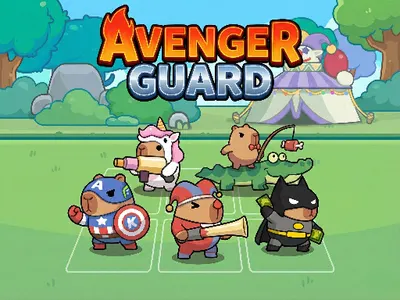 Avenger Guard Merge heroes, fortify the battlefield and take back a homeland that was destroyed. Play Avenger Guard
Number merges: 2048 with a twist
Number merge games label each item with a value. Two tiles with the same number combine into one tile with a larger number. Hexagon plays this on a honeycomb board. You place tiles one or two at a time, and because each cell touches six neighbors, a single placement can start a chain reaction of merges. Reaching a 512 tile clears extra room on the board.
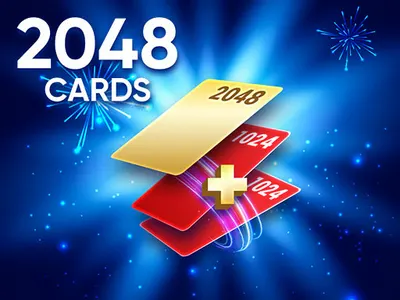
Cards 2048 borrows the column layout from solitaire. You drag each new card onto a column, and two cards of the same value stacked together become one card worth double. The target is the 2048 card, and the columns have limited space.
These games reward patience and planning. There is no clock pushing you, so you can study the board for as long as you like before you commit.
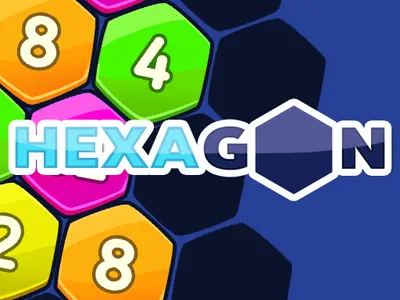 Hexagon Drop numbered hex tiles, merge the neighbors and set off chain reactions on a honeycomb grid. Play Hexagon
Physics merges: let gravity do part of the work
Some merge games swap the tidy grid for a container where objects fall and bump into each other. Watermelon Merge works this way. You drop a fruit into the container, and when two fruits of the same kind touch, they merge into the next, larger one. The chain tops out at the watermelon.
Here the skill is in the drop. Where a fruit lands decides what it touches, and you cannot place it perfectly, only aim it. The game ends if a fruit drops out of the playing field, so keeping the pile under control matters as much as making merges. You can find more games with a similar easy-to-learn feel in the Puzzle category.
 Watermelon Merge Drop fruit, bump matching pairs together and grow them all the way up to a watermelon. Play Watermelon Merge
Habits that help in almost any merge game
The details differ from one game to the next, so treat these as general advice for most merge games rather than rules for any one of them.
- Keep your highest-value item in one place and build toward it, rather than spreading big items across the board.
- Look one merge ahead. Before you make a move, check what it makes possible next turn.
- Do not bury a low-value item under a high-value one if your game lets you stack things. It can sit there blocking space for a long time.
- Keep some free room in reserve. An awkward item always turns up eventually, and you need somewhere to put it.
- In merge-and-fight games, read what each upgrade does early. The earlier you understand the system, the more your merges are worth.
Which merge game to start with
If you want something calm with no enemies, start with Watermelon Merge or Cards 2048. If you want long-term progress and bigger fights, try Dark Myth: Monkey Merge. If you like to think a few moves ahead on a board that rewards chain reactions, Hexagon is the one to open.
Frequently asked questions
What is a merge game?
A merge game is a game where combining two matching items produces one better item. The new item can then be merged again, so you climb a ladder from weak items to strong ones while managing limited space.
Do I need to play merge games on a computer?
No. The merge games mentioned here are listed as playable on phones and tablets as well as computers, and they need nothing installed. Each game page shows its own controls.
Why do I lose in merge games even when I keep merging?
Usually the board filled up with items that could not find a partner. Merging often helps, but so does planning which items you will need next and keeping some free room in reserve.